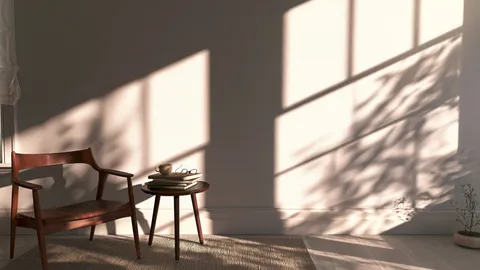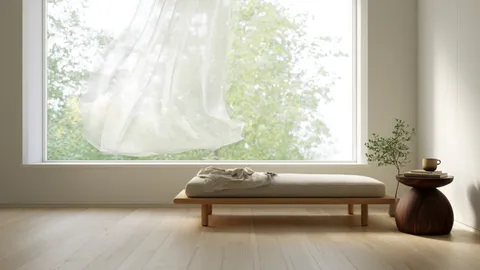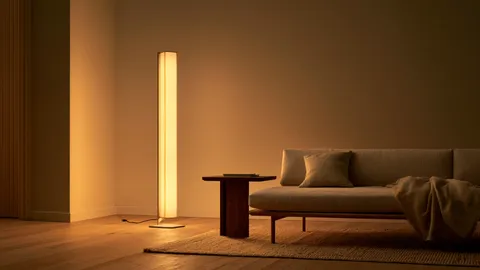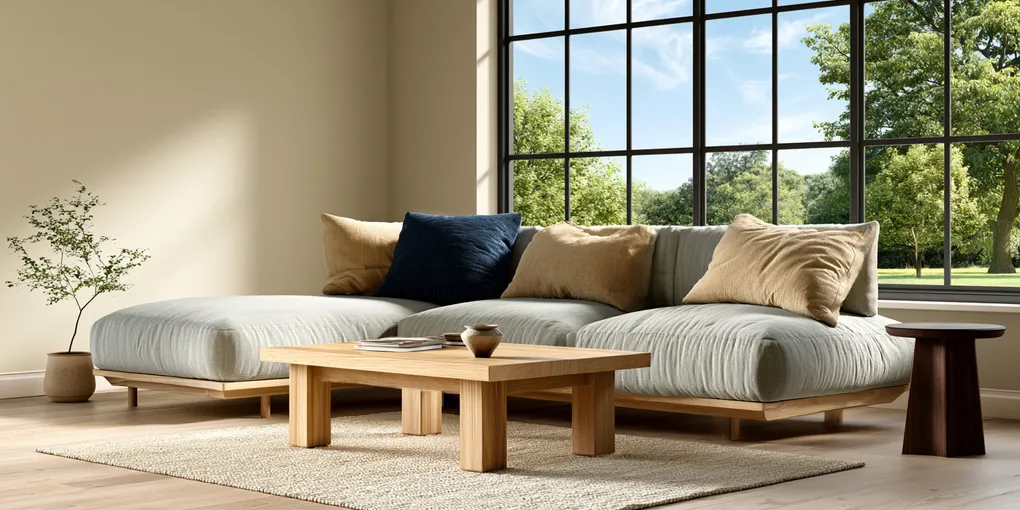
If you’ve spent any time on Pinterest lately, you’ve seen the rooms: pale wood floors, white walls, a low table, one ceramic vase, a great deal of calm. Somewhere in the caption is the word Japandi, and somewhere in your head is the question — okay, but what is Japandi style, actually?
I grew up in Japan, and I’ll give you the honest version, not the brochure version. Japandi is not an ancient Japanese tradition. It’s not a style you’ll find named in Tokyo. It’s a Western idea — a blend of Scandinavian and Japanese design — and most of the guides explaining it were written by people who love the look but have never lived inside the half they’re borrowing from.
This page is the short, honest map of the whole thing. Each part links to a longer piece if you want to go deeper.
Japandi is mostly Scandinavian, quietly corrected by Japan. Get that one sentence and the rest follows.
The Short Answer
Japandi is a Scandinavian room with the cheerful parts removed and a small amount of Japanese stillness added back in.
That’s it. The bones — light wood, white walls, linen, natural light, clean lines — are Nordic. The edit — darker accents, lower furniture, emptier corners, dimmer light — is Japanese. If you’ve ever looked at a Japandi room and thought isn’t this just Scandinavian design?, you were more right than most guides admit. It’s roughly 80% Scandinavian. But the other 20% changes everything about how the room feels.
So the real skill isn’t buying “Japandi furniture.” It’s knowing the proportion — and that’s where a number helps.
The Ratio That Makes It Work
The single most useful thing I can hand you is a ratio. The rooms that feel right are not a 50/50 marriage of two countries — that just fights with itself. They’re closer to 70% Scandinavian, 30% Japanese: about 70% lighter wood to 30% darker wood, and roughly 60% straight lines to 40% curves.
When a “Japandi” room looks off — too heavy, too dark, trying too hard — it’s almost always over the 30%. Pull it back and the room exhales. I broke the whole thing down in The Japandi Ratio, and it’s the article I’d read first if you only read one.
What You Take Away (Color)
Here’s the part most people get backwards. The Japanese edit isn’t adding bamboo and paper lanterns. It’s subtracting.
Real Scandinavian design is surprisingly colorful — the mustard yellows, the aqua blues, the cheerful pastels made to fight a long dark winter. Japandi removes those. No aqua. No yellow. No pastels. In their place: charcoal, deep forest green, and the warm amber of low light. The palette gets heavier at the bottom and quieter at the edges — less bright morning, more late autumn afternoon. If your room feels close-but-not-quite, the colors are the usual culprit: strip the pastels.
What You Keep, and Mix (Wood)
The most common question I get is whether the wood tones have to match. They don’t — and matching everything is actually the mistake.
Pale wood with round edges reads Scandinavian. Dark wood with straight lines reads Japanese. Japandi uses both, on purpose, in that 70/30 proportion: a light oak floor with a low, dark walnut table; pale chairs against one grounding dark piece. The trick is letting one wood lead and the other answer. Here’s how to mix light and dark woods without it looking accidental.
The Light Is Half the Room
If I could change one thing in most homes, it wouldn’t be the furniture. It would be the light.
The single bright bulb in the middle of the ceiling — what flattens a room and kills any sense of evening calm — is the most un-Japandi object in a typical Western home, and the easiest to fix without rewiring anything. Japanese and Scandinavian homes both build warmth in layers, low and pooled, instead of one harsh wash from above. Start here: say goodbye to the big light. It’s the cheapest change with the biggest payoff.
The Empty Corner Is Not Unfinished
In a lot of American rooms, every corner gets filled — a plant here, a lamp there, a basket of throws, a decorative ladder. The instinct is to make the room feel complete.
In a Japanese room, one corner is left empty on purpose. Not because there’s nothing to put there, but because the emptiness is doing something — it slows the eye and gives the room somewhere to rest. This is ma (間): intentional space. It’s the part of Japandi you can’t buy, which is exactly why it’s the part that matters most. More on the art of ma.
The Quiet Philosophy Underneath
Japandi looks like a style, but the Japanese half rests on two older ideas worth knowing, because they keep you from overspending and overstuffing.
Wabi-sabi is the acceptance of imperfection — the beauty of a handmade bowl that isn’t quite symmetrical. But there’s a real line between beautifully imperfect and just messy, and it’s worth learning: wabi-sabi for perfectionists.
Mottainai is a deep reluctance to waste what has value. It’s not minimalism and it’s not decluttering — it’s why a Japanese home tends to own fewer, better things and keep them a long time. It quietly changes how a room looks: why buying less makes your home more beautiful.
So… Is Japandi Even Japanese?
Honestly, I go back and forth on this. I don’t experience Japandi as “my culture” — it’s a Western blend — and yet I can feel the seam in a room in about a second, the moment the Japanese 20% is present or missing. If you want my most honest attempt to explain that instinct, it’s here: Japandi isn’t Japanese — so how do you tell which half is which?
That seam, by the way, is the whole reason this site exists. Not to sell you a look, but to help you feel the difference.
How to Actually Start (Even If You Rent)
The good news: almost none of this requires touching a wall. You don’t need pale floors or new windows. The Japanese half of Japandi lives in light, proportion, and restraint — all of which you can change in a weekend.
If you’re working with a standard apartment — beige carpet, vertical blinds, an overhead fluorescent — start with renter-friendly Japandi. And if you want the single highest-impact ritual to borrow, build a Japanese genkan — the threshold between the outside world and home.
When you’re ready to bring in actual pieces, I keep an honest, slowly-growing list of things that pass these rules — lamps, rugs, textiles, ceramics — over in Japandi Finds. No room is finished by shopping, but a few right objects, placed with restraint, go a long way.
The Part That’s Free
If you remember nothing else: Japandi is not a shopping list. It’s a Scandinavian base, edited down by a Japanese instinct for stillness — 70/30, dimmer light, fewer colors, one empty corner.
The expensive part is the furniture. The part that actually makes a room feel like Japandi — the quiet, the proportion, the restraint — is free. Most people get that backwards. Start there, and the rest is just choosing slowly.